 ,
,
The whole Crops Story
VERIFIED
Sustainable
Origination
4 Farmers
135 ha
547 tn

CARBON
FOOTPRINT
31.48 tn CO2e
On 135 ha of Cotton
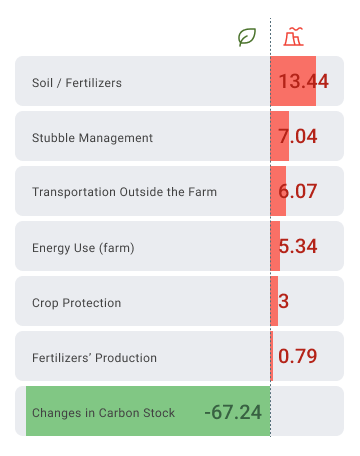
Measured with the Cool Farming Tool Calculator and verified by Control Union


Sustainable Landscape
Verification

We verify the sustainable landscape of all the fields where the cotton was originated

FREE OF DEFORESTATION
Production did not take place in areas of tree cover loss
High biodiversity areas
Production areas are not located within defined protected areas or species conservation areas
Native forest protection
Production takes place outside the influence of high conservation value of native forests
Verified crop land
Production area has not changed its use, regarding important areas of carbon capture in the soil
Wetland protection
Production took place outside of conservation areas and rational use of wetlands and their resources
Grassland protection
No high-value grasslands for carbon capture were intervened for production.

ECONOMIC
IMPACT

100%
FROM OUR FARMERS OPERATE UNDER SUSTAINABLE ECONOMY STANDARDS
Which implies total transparency in economic operations. This practice allows us to manage and preserve all resources, including natural resources, to ensure their durability and improve the quality of life for everyone.

SOCIAL
Impact

100%
of farmers adhere to fair labor policies
That exclude forced and/or child labor and preserve the integrity of individuals in crop management.
ENVIRONMENTAL IMPACT
COEFFICIENT
EIQ 31,2
All of our cotton was produced by farmers who measure their environmental impact in order to make a responsible and reduced use of crop protection products.
Transparency &
traceability
For the whole process

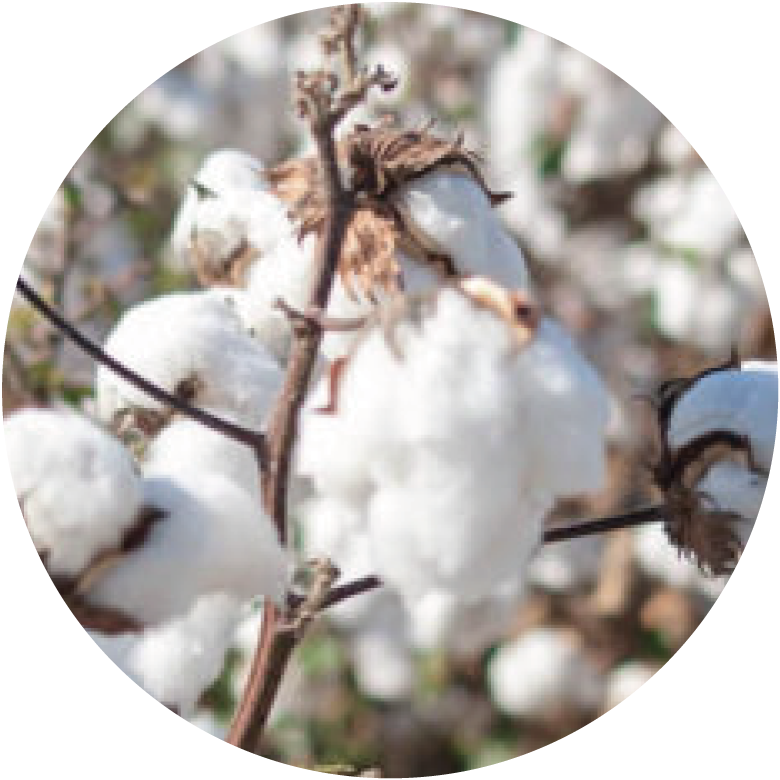
547 cotton bales
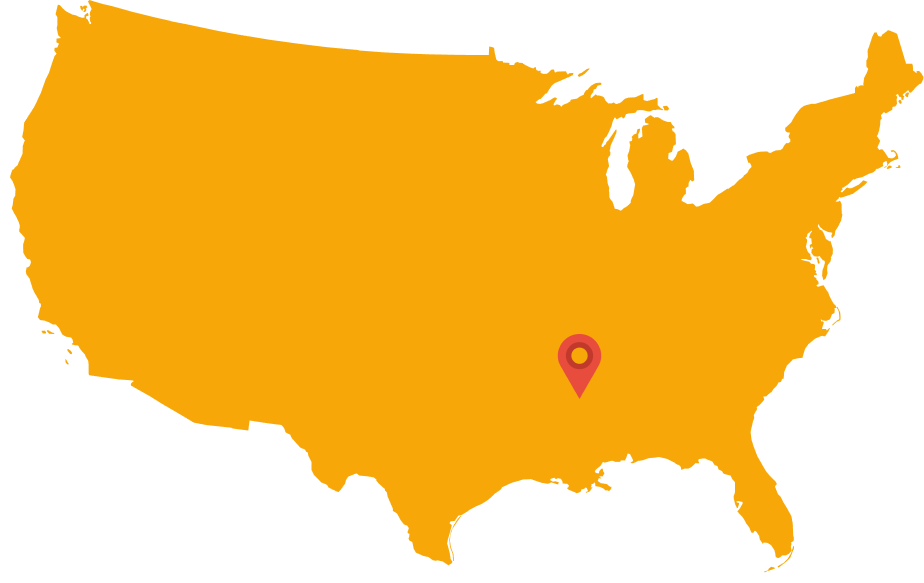
Mississippi, USA

Done by
1 Grower

SFP
Sustainable Fiber Program
Carbon Footprint
Calculated with Cool Farm Tool

355 cotton fiber bales
Mississippi, USA
Input used
547 cotton bales

Done by
By Good Cotton SA

Ginning (RUCA)
Central Registry of Agroindustrial Chain Operators

Premium Fabric
Mexico City, Mexico
Input used
355 cotton fiber bales

Done by
Grupo COPO

Global Recycle Standard
Material manufactured and marketed with products with recycled content
Responsible Use of Energy
95% of the energy comes from renewable sources.
Blue Sign Certificate
Minimum resources with maximum productivity



Rad Dinosaur Sweatshirt
Ciudad de Méjico, Méjico
Input used
Premium Fabric

Done by
Rad

Dying and Stamping
Oeko-Tex® Standard 100
GOTS Certificate
Global Organic Textile Standard